🚀 Angular 21 – Key Features & Improvements
Angular keeps evolving to make modern web development faster, more scalable, and developer-friendly. Angular 21 introduces several improvements in performance, reactivity, developer tooling, and server-side rendering.
Below is a structured overview of the major features of Angular 21.
1️⃣ Improved Signal-based Reactivity

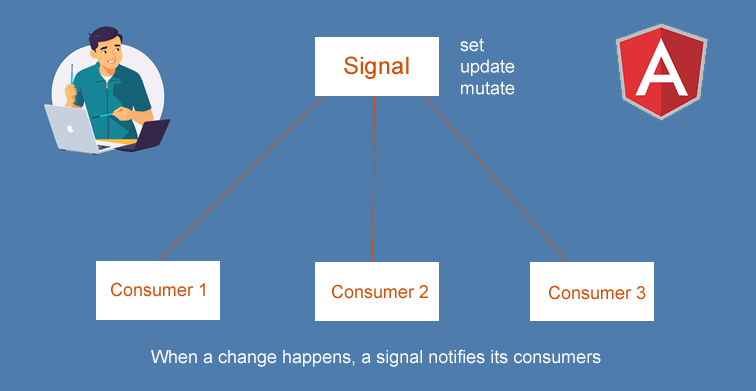

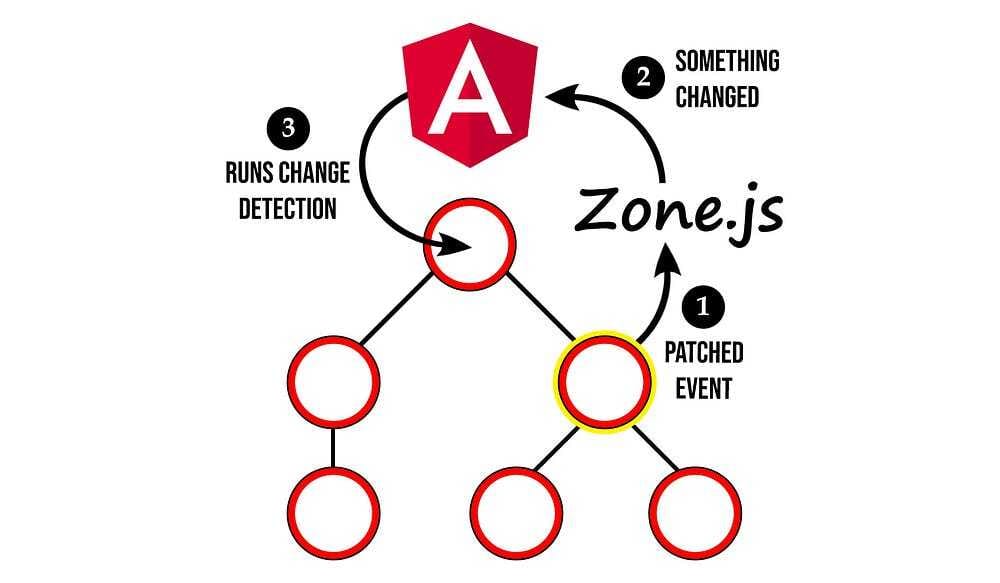
Angular continues expanding its Signals-based reactivity model, making applications faster and easier to maintain.
Key Improvements
Better integration with components, directives, and services
Simplified state management without RxJS for simple cases
More predictable change detection
Reduced unnecessary UI re-rendering
Example
import { signal } from '@angular/core';

count = signal(0);

increment() {
  this.count.update(value => value + 1);
}
Benefits
✔ Faster UI updates
✔ Cleaner code
✔ Less dependency on RxJS for state
2️⃣ Enhanced Server-Side Rendering (SSR)
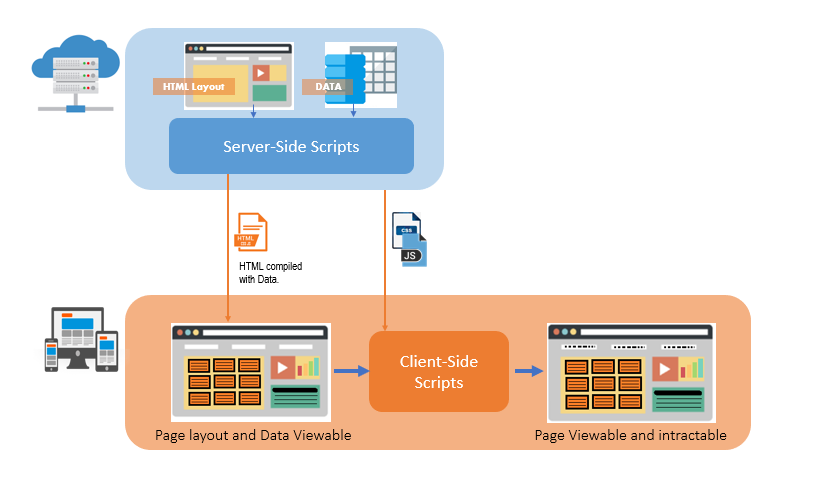

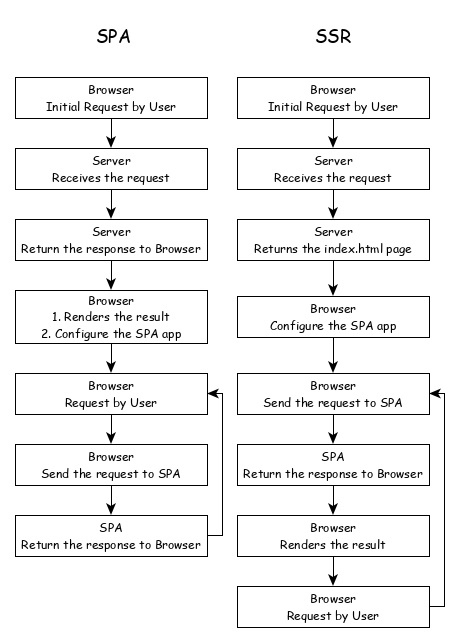

Angular 21 improves SSR and hydration, making applications load faster and improving SEO.
Improvements
Faster server rendering
Better hydration performance
Improved streaming SSR
Reduced Time to Interactive (TTI)
Benefits
✔ Faster first page load
✔ Better SEO
✔ Improved performance for large applications
3️⃣ Standalone APIs – Further Simplified
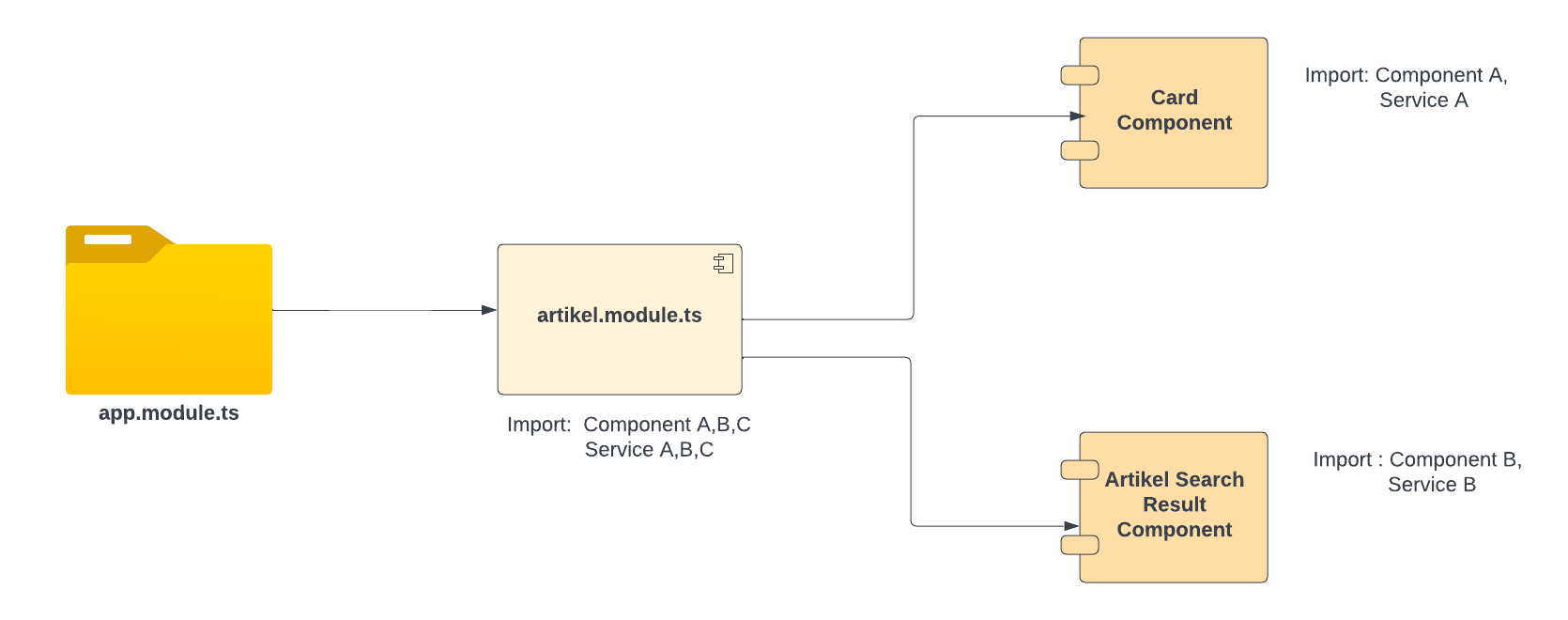


Angular continues moving away from NgModules, making development simpler with Standalone Components, Directives, and Pipes.
Example
@Component({
  standalone: true,
  selector: 'app-example',
  template: `<h1>Hello Angular 21</h1>`
})
export class ExampleComponent {}
Benefits
✔ Less boilerplate
✔ Faster project setup
✔ Easier lazy loading
4️⃣ Faster Build System


Angular 21 improves the build pipeline making development and production builds faster.
Improvements
Optimized bundling
Faster incremental builds
Improved caching
Better integration with modern tooling
Benefits
✔ Faster compilation
✔ Reduced build times
✔ Better developer productivity
5️⃣ Improved Angular DevTools
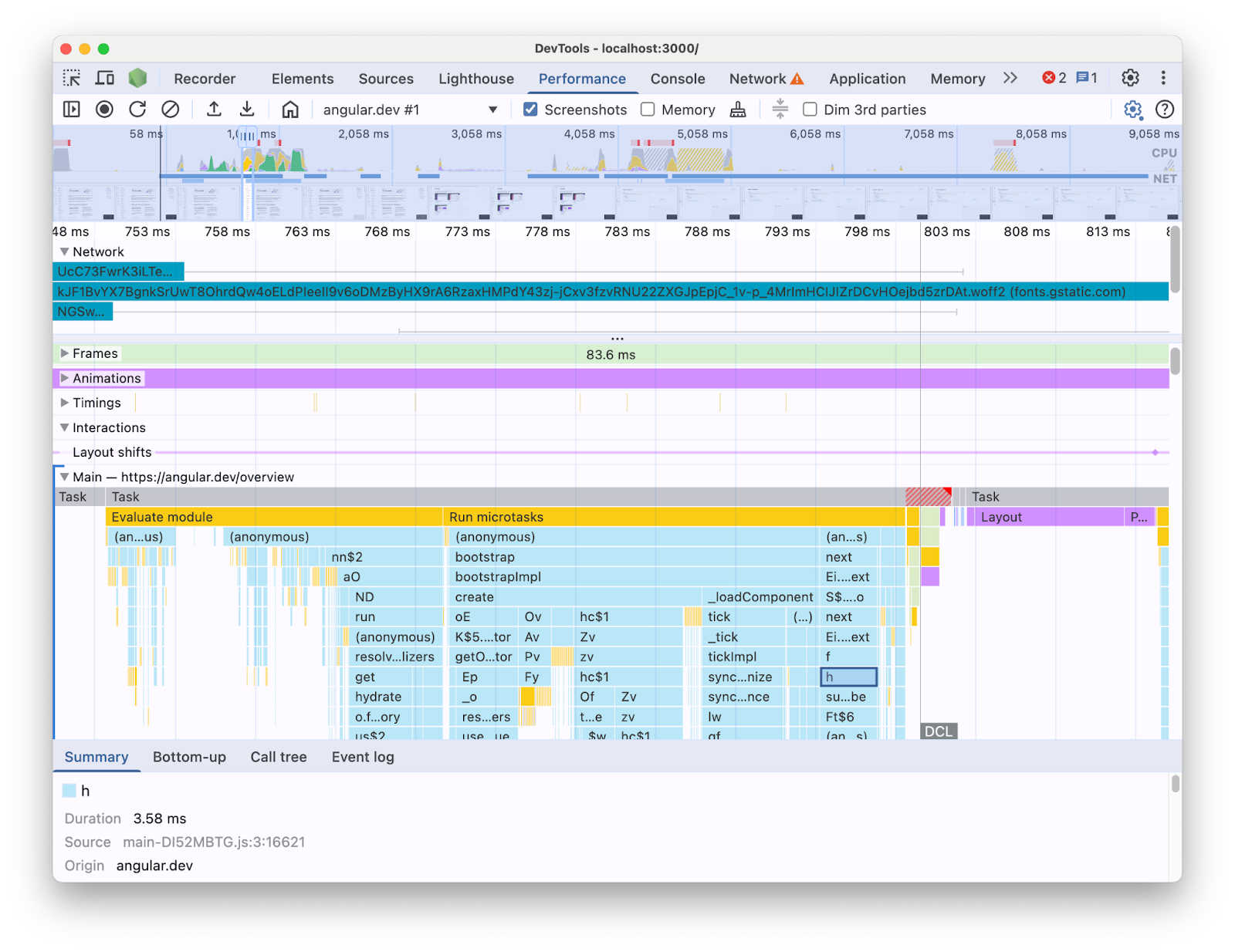
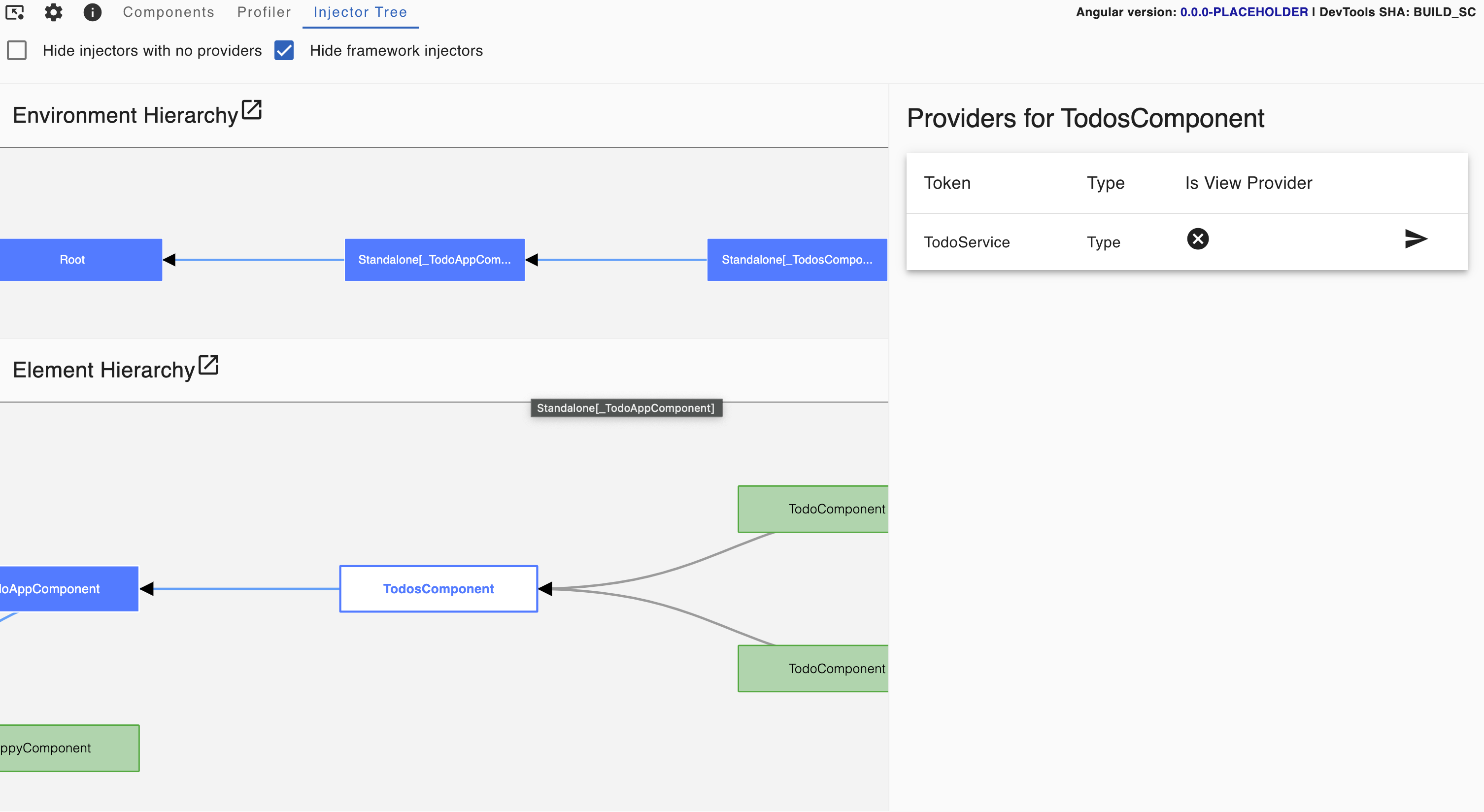
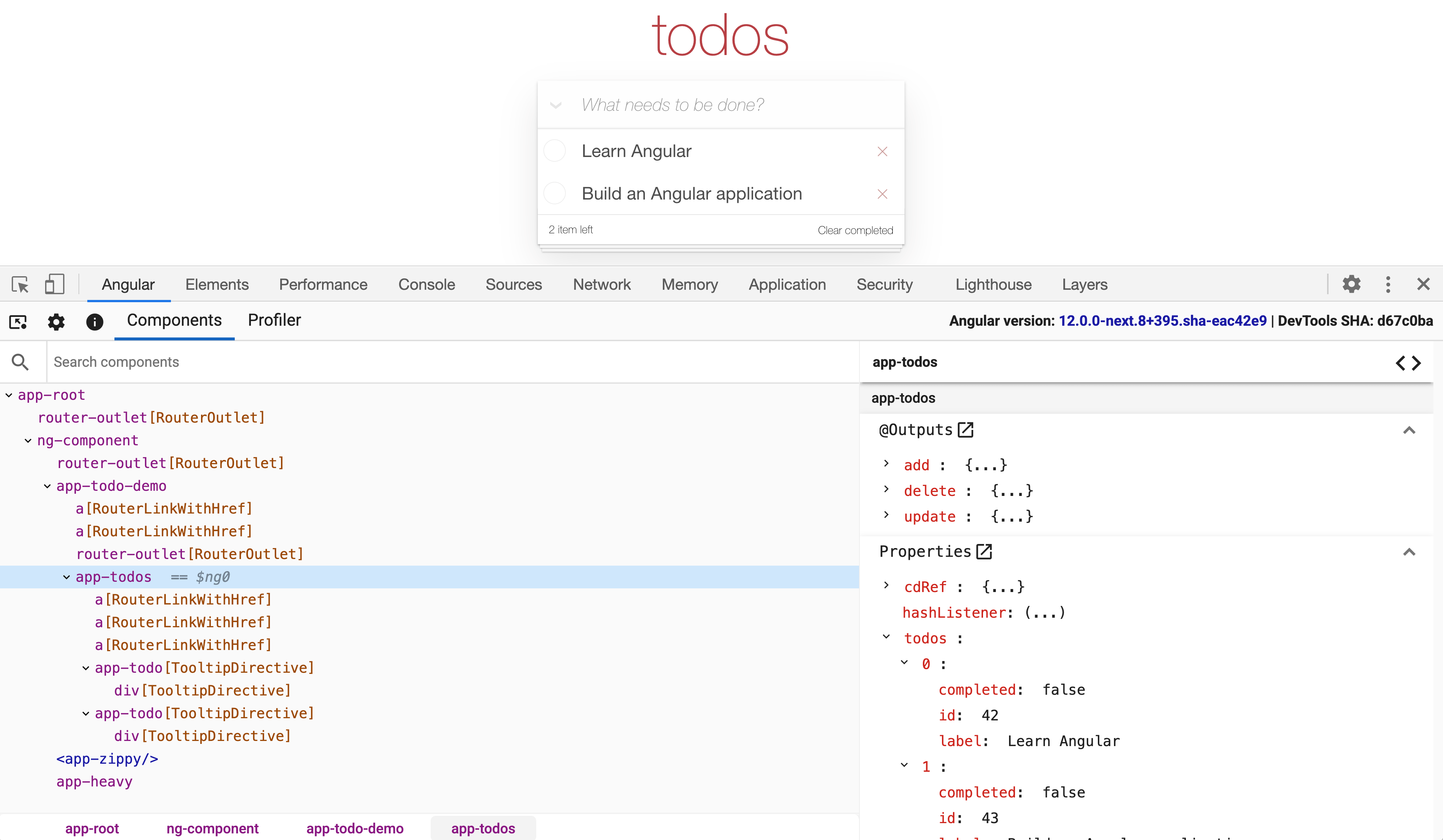
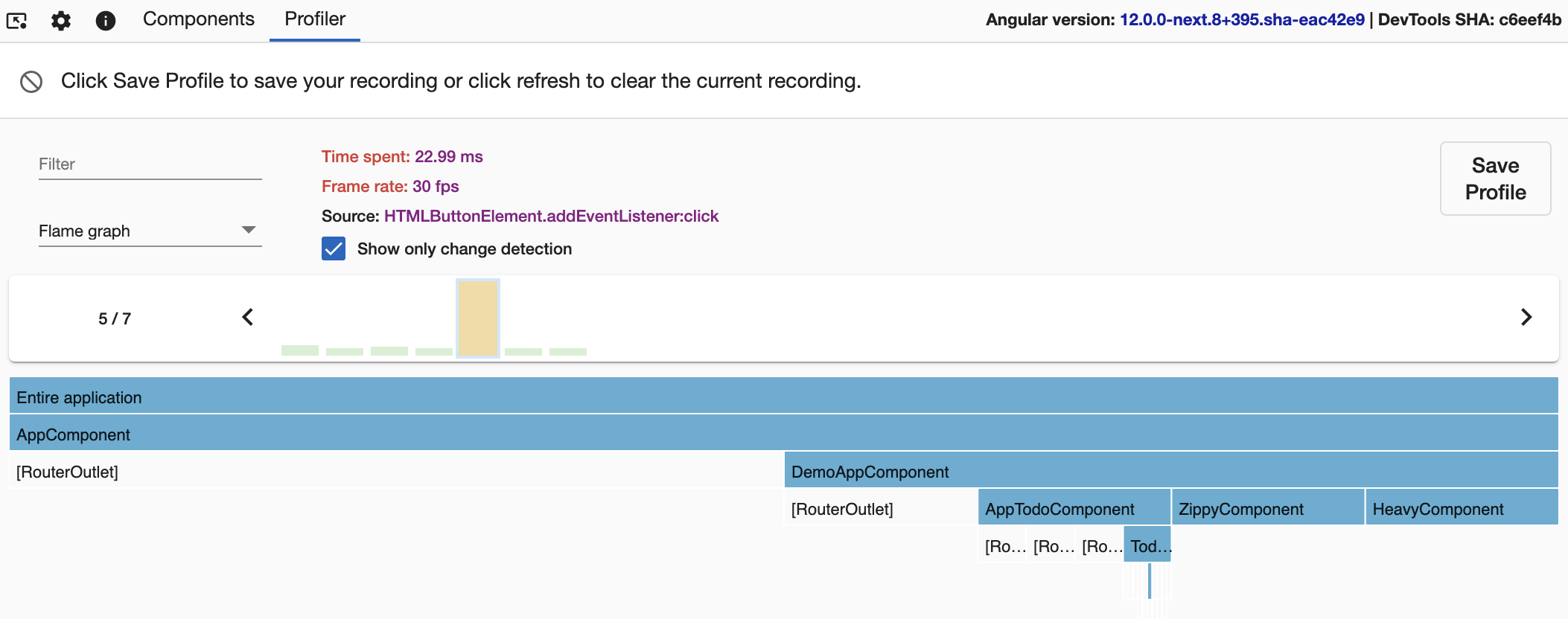
Angular DevTools now offers better debugging and performance insights.
New Capabilities
Signal state tracking
Improved component tree visualization
Performance profiling
Change detection monitoring
Benefits
✔ Easier debugging
✔ Better performance insights
✔ Improved developer experience
6️⃣ Improved Control Flow Syntax
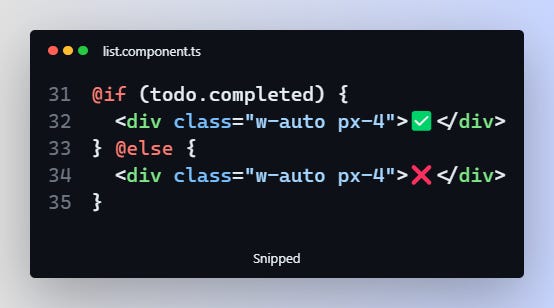


Angular introduces improved template control flow syntax that replaces traditional directives.
Example
@if (isLoggedIn) {
  <p>Welcome back!</p>
} @else {
  <p>Please login</p>
}
Benefits
✔ Cleaner templates
✔ Better readability
✔ Faster rendering
🎯 Why Angular 21 Matters
Angular 21 focuses on performance, simplicity, and modern development practices.
Major Advantages
⚡ Faster applications
🧠 Better reactivity with Signals
📦 Simplified architecture (Standalone APIs)
🌐 Improved SSR for SEO
🛠 Better developer tooling
✅ Summary:
Angular 21 continues Angular’s shift toward simpler architecture, faster performance, and reactive programming, making it a powerful framework for building scalable enterprise applications.
💡 Since you are already working with Angular 17, upgrading to Angular 21 will mainly impact:
Signals adoption
Standalone architecture
Improved build performance
SSR improvements
If you want, I can also give:
Angular 17 → Angular 21 comparison
Top 10 Angular 21 interview questions
Angular 21 migration guide for existing projects.